

You can drag the table to the left and right
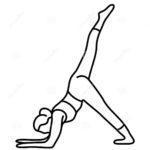
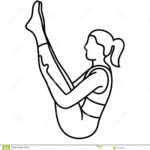
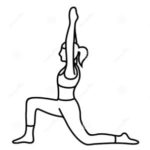
Ashtanga
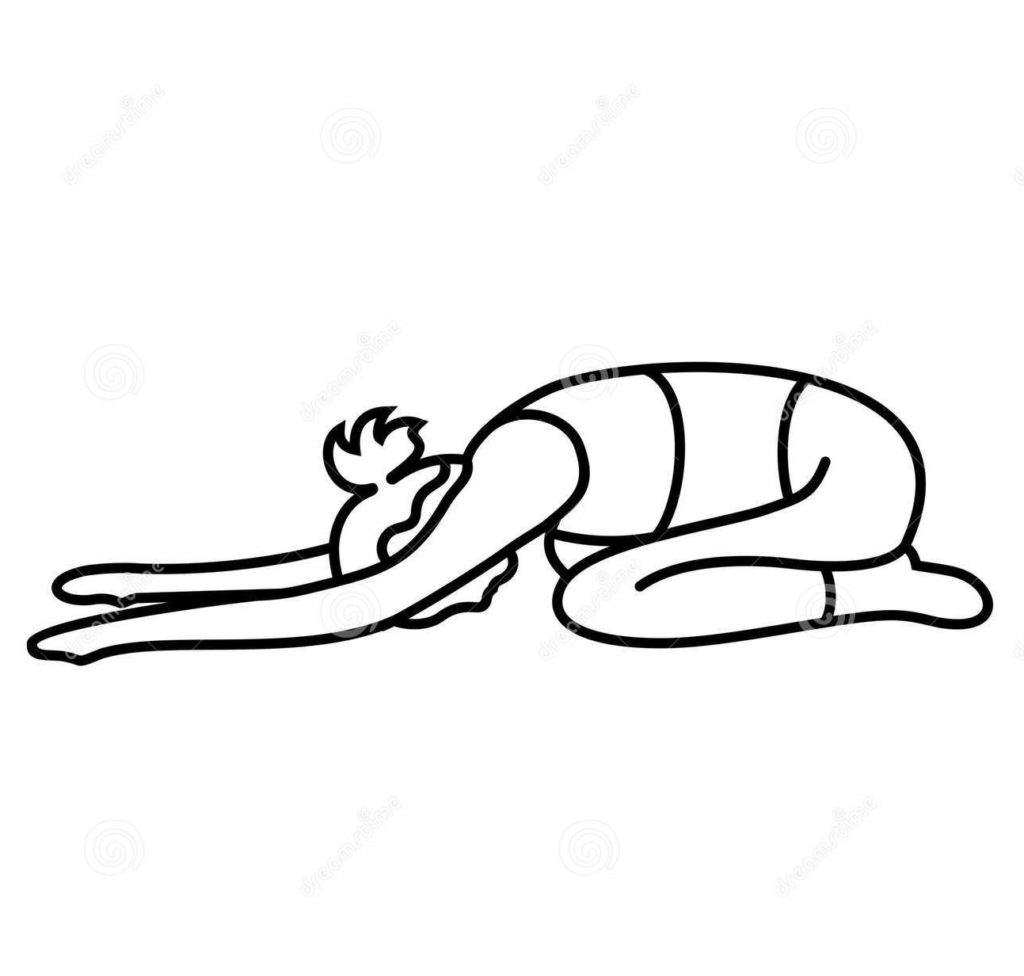
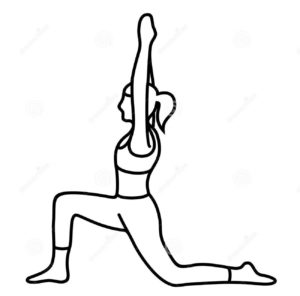
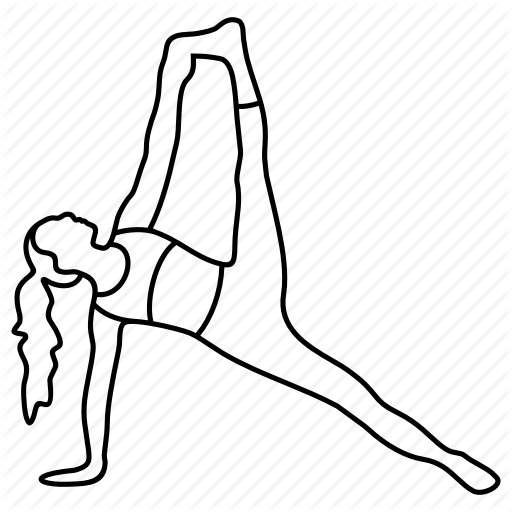
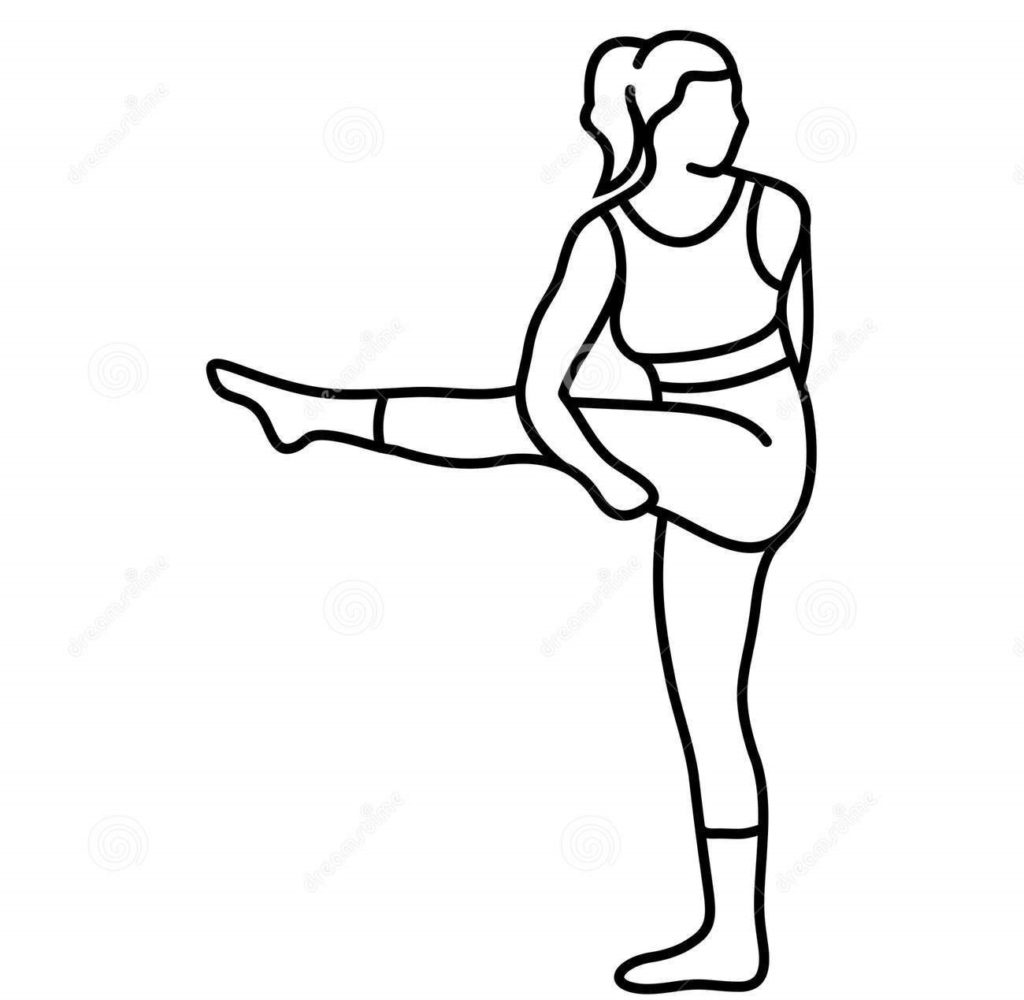
In Ashtanga we use a consistent series or sequence of postures. There is a dynamic transition from posture to posture, staying for a short time in every posture.
1st series – forward bending.
2nd series – back bending.
3rd series – postures on hands etc.
Like Sandwich
Every series opens with the same standing postures and closes with some inversion postures, and in the middle we practice one of the series.
Vinyasa
In Vinyasa classes we practice a different sequence of postures in every class, staying for a long time in each posture and putting the emphasis on body alignment and breath.
All the teachers that teach Vinyasa at Chandra Yoga have practiced Ashtanga Yoga in the past in order to deepen their experience and the knowledge of the postures.
Vinyasa classes are still dynamic and challenging but the emphasis in Vinyasa is different than in Ashtanga.
Iyengar
Iyengar method has an order of teaching positions in different levels of practice. Exposure to diversity of various postures allow us fresh new perspectives on the poses. The training sequence heated the body so that insights gained during the practice will pose position and build the body so that it can improve the performance and understanding of the positions.
The lessons are a dynamic, with great variety in the contents. Each lesson is built from different positions, integrated each other and create a continuum of practice prepares the body to more advanced practice. Every "tune" creates a "dance" of its own, allowing a full experience of the positions on the physical plane, emotional and energetic.
Iyengar practice method specialize in the use of accessories, auxiliary equipment such as wooden blocks, belts, pillows, chairs and walls.
Vijñāna Yoga
a unique Israely yoga method– In searching for a way of moving the body as one un-fragmented unit Orit San-Gupta gradually discarded the overuse of anatomical terms, which tend to view the body from the outside. Listening from inside she feels, frees us to celebrate the pure joy of moving and being.
Roots
Vijñāna Yoga stems from the yogic tradition of northern India, as taught by Sri Krishnamacharya, the teacher of Pattabhi Jois, B.K.S. Iyengar and T.K.V. Desikachar.
Orit San-Gupta studied with Pattabhi Jois and B.K.S. Iyengar, and has practiced for twelve years with Dona Holleman, a long time student of B.K.S. Iyengar. Integrating Dona′s deep understanding of the body with the practice of meditation, pranayama and the study of yogic texts, Orit together with a group of experienced teachers founded Vijñāna Yoga in 2003.
The four main practices of Vijñāna Yoga
-The Seven Vital Principles are guidelines for the asana practice. Through them we adhere to the skeletal lines and thus find our true alignment.
Relaxing the body, Quieting the Mind, Focusing through Intent, Rooting' Connecting, Awareness of breath, Expanding
-The extensive practice of pranayama utilizes the natural breath in a unique way. By practicing the vayus, we gradually master the classical pranayama forms.
-"Just sitting" meditation inspires deep listening, which is the ground for vijñāna (understanding from inside).
-The study of yogic texts integrates our intuitions and understanding into a more comprehensive view of life and our path in it.
-The origin of the term vijñāna
According to the great Vedantist philosopher Sankara, vijñāna is a deep understanding or knowing that cannot come about merely through outer knowledge. Even the knowledge expounded by our teachers and the inspiration we receive from spiritual texts is not enough. Vijñāna is when inner clarity is revealed through personal experience.
Ramakrishna explains vijñāna thus:
The awareness and conviction that fire exists in wood is jana (knowledge). But to cook rice on that fire, eat the rice and get nourishment from it is vijñāna.
Yoga teachers (Hebrew) | Directions (Hebrew) | Yoga in Tel Aviv Yoga in English